
Low Ferritin in Distance Runners: What Athletes Need to Know
If you are a runner who feels unusually tired, struggles to recover, or can’t seem to perform at your normal level, low ferritin may be part of the picture.
Ferritin is a blood markers that reflects your body’s iron stores. While iron deficiency is often associated with anemia, athletes can experience symptoms and performance consequences long before anemia develops.
Distance runners are particularly vulnerable to low ferritin due to the unique demands of their sport.
What Is Ferritin?
Ferritin is the storage form of iron in your body.
Think of ferritin as your iron savings account. Hemoglobin (the oxygen-carrying protein in red blood cells) represents the money you are currently spending, while ferritin represents what you have saved for future needs.
When iron intake doesn’t keep up with losses or demands, ferritin levels often decrease first. Hemoglobin may remain nromal for months before anemia develops.
Why Are Distance Runners at Higher Risk?
Several factors contribute to low iron stores in endurance athletes:
Increased Iron Losses
Sweat losses
Gastrointestinal bleeding during long runs (microscropic & temporary)
Foot-strike hemolysis (breakdown of red blood cells from repetitive impact)
Increased Iron Needs
High training volumes
Growth and development in adolescents
Altitude training
Recovery from heavy training blocks
Reduced Iron Intake or Absorption
Possible restrictive eating patterns
Possible low energy availability
Possible vegetarian or vegan diets
Elevated hepcidin levels - intense exercise triggers an inflammatory response that increases the production of the hormone hepcidin. High hepcidin levels block the absorption of iron in the gut, making it harder to replace lost iron through diet alone.
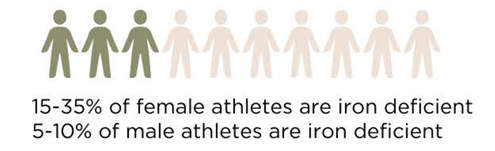
Female athletes, endurance athletes, younger athletes, and vegetarian athletes tend to be at particularly high risk.
SIGNS AND SYMPTOMS OF LOW FERRITIN
Symptoms can be subtle at first.
Athletes may notice:
Fatigue
Reduced stamina
Slower recovery between workouts
Shortness of breath during exercise
Difficultly concentrating
Irritability
Dizziness
Headaches
Declining performance despite consistent training.
Can you have low ferritin without anemia?
Yes, and many athletes do!
This is one of the most important concepts for runners to understand.
An athlete may have:
Normal hemoglobin
Normal hematocrit
No diagnosis of anemia
Yet still have low ferritin levels that affect training, recovery, and overall performance.
Waiting until anemia develops mean the deficiency has progressed much further.
WHAT FERRITIN LEVEL IS CONSIDERED LOW?
<10 ug/L: Severe deficiency requiring prompt intervention
10-35 ug/L: Iron deficiency with normal hemoglobin
35-50 ug/L: Monitor and optimize nutrition
>50 ug/L: Generally considered a healthy range for most athletes
Remember that ferritin should always be interpreted alongside other lab values, symptoms, training status, dietary intake, and medical history.
Should Every runner take an iron supplement?
No.
Iron supplementation should never be treated like a multivitamin.
While iron deficiency can negatively impact health and performance, excess iron can also create health concerns. Athletes should only use iron supplements when recommended by a physician or sports dietitian after proper assessment.
More is not better.
HOW OFTEN SHOULD DISTANCE RUNNERS GET THEIR IRON LEVELS CHECKED?
Athletes with higher risk factors may benefit from routine screening.
Risk factors include:
Female sex
Previous iron deficiency
High volume endurance training
Heavy or prolonged menstrual periods
Vegetarian or vegan diets
Low energy availability
Upcoming altitude training
Persistent fatigue or unexplained performance declines
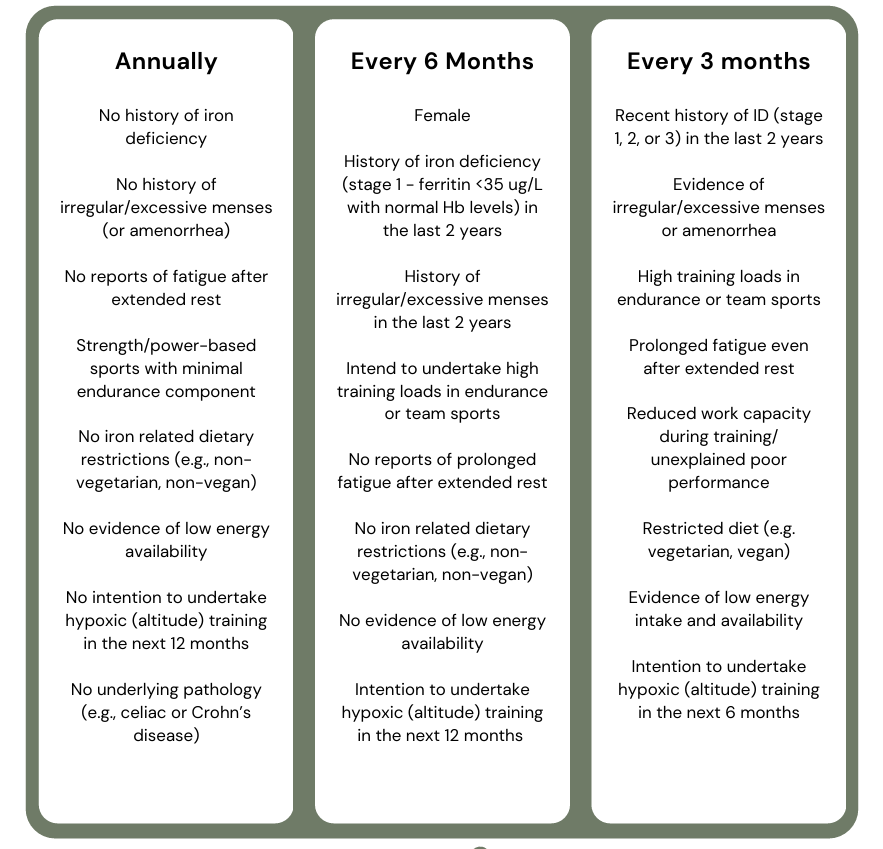
Many endurance athletes benefit from screening every 6-12 months, while higher-risk athletes may require more frequent monitoring.
FOOD FIRST: BUILDING IRON STORES THROUGH NUTRITION
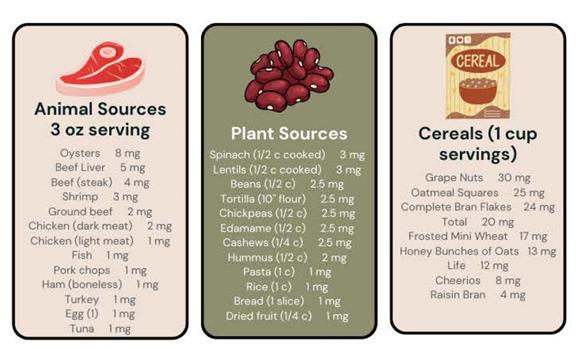
Athletes should focus on:
Heme Iron Sources (Most absorbable)
Beef
Chicken
Turkey
Pork
Seafood
Non-Heme Iron Sources (Less absorbable)
Beans
Lentils
Tofu
Fortified cereals
Spinach
Pumpkin seeds
To improve absorption:
Pair iron-rich foods with vitamin C sources such as strawberries, citrus, bell peppers, orange juice, or kiwi.
Avoid taking iron supplements alongside calcium supplements.
The Bottom LIne
Low ferritin is common among distance runners and can impact performance long before anemia develops.
If you are experiencing unexplained fatigue, slower recovery, or declining performance, it’s worth discussing iron status with your physician or sports dietitian. Testing (not guessing) is the best way to determine whether low iron stores are contributing to the problem.
For endurance athletes, ferritin is more than just a lab value. It’s one piece of the puzzle that supports consistent training, recovery, and long-term performance.